
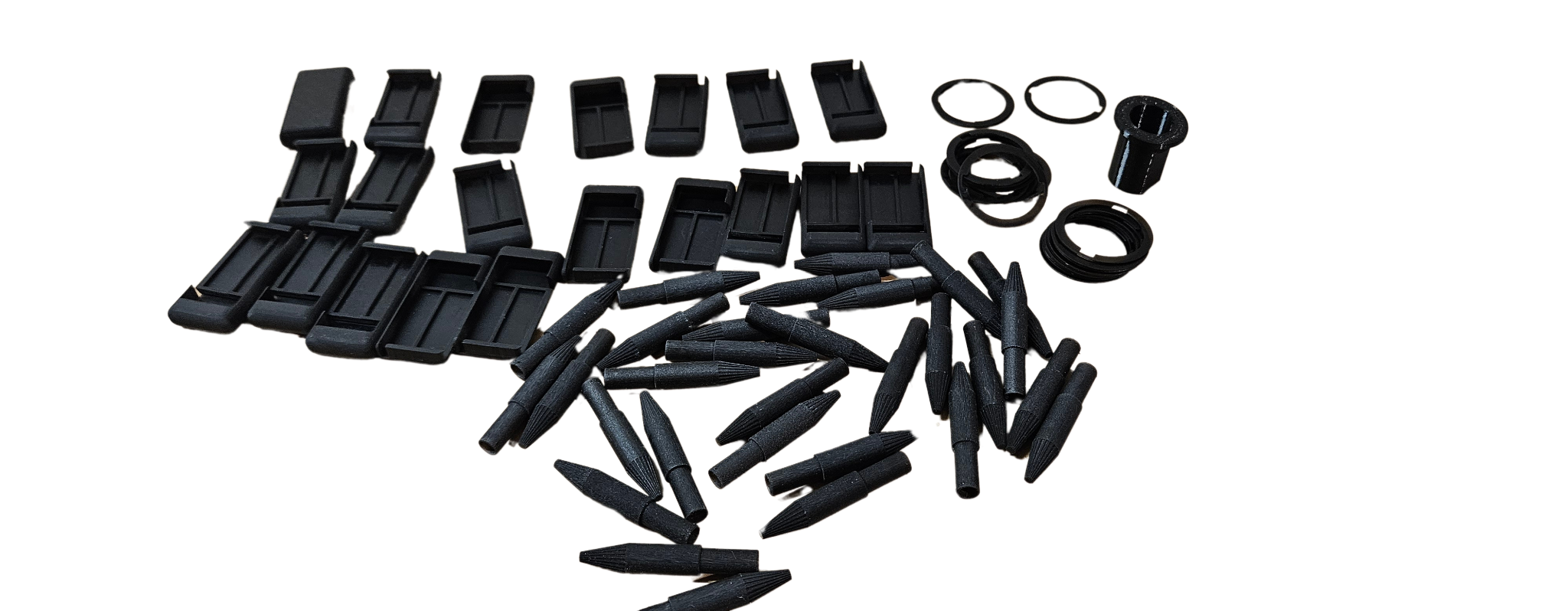
[SLA] RESIN ABS 3.0 HARD TOUGH
Benefits of Resin ABS Hard Tough are:
-
It is strong and resistant to impact and mechanical stress.
-
It offers high accuracy and detail for complex prints.
-
It delivers smooth 3D prints with a high-quality finish.
You choose this material when you need strong and detailed parts with a professional appearance and reliable performance.
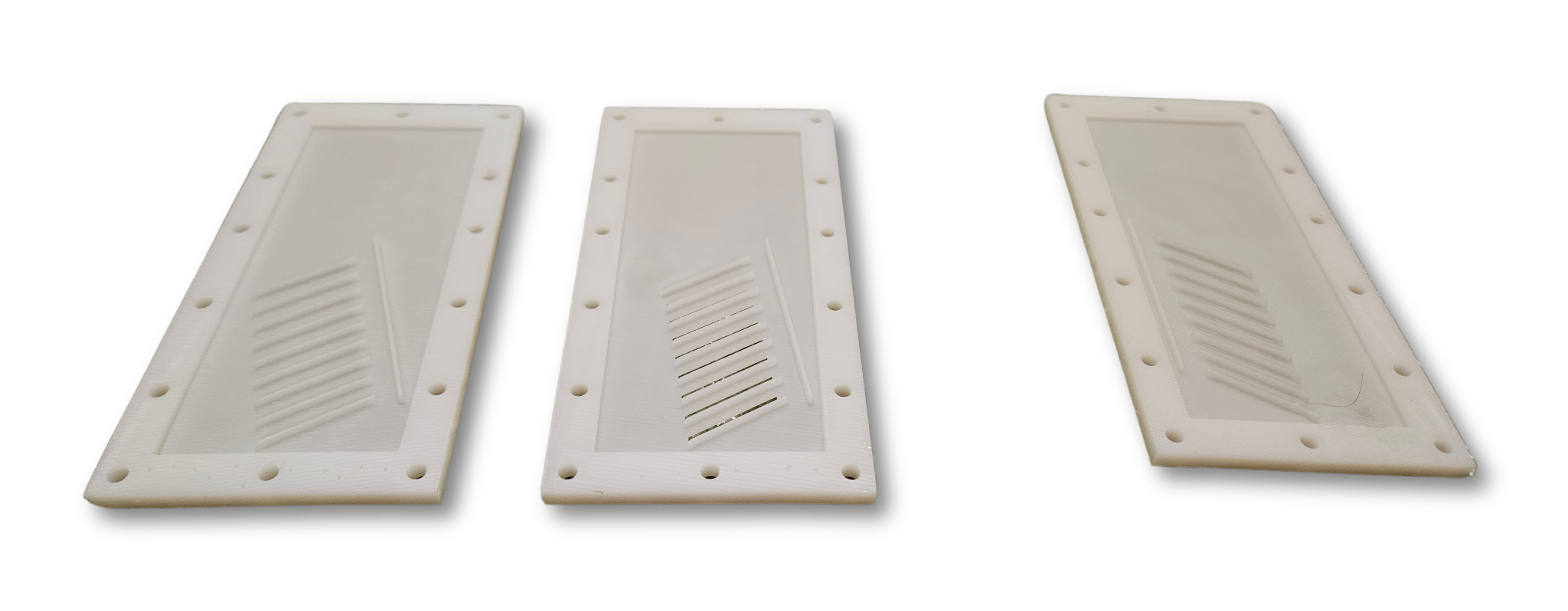
[LETTUCE] RESIN HIGH TEMP (300°C)
Advantages of Resin High Temp are:
-
Resistant to very high temperatures up to 300 °C.
-
Ideal for functional parts in thermally demanding applications.
-
High dimensional stability and accuracy.
You choose this material when you need heat-resistant parts for demanding industrial or engineering applications.
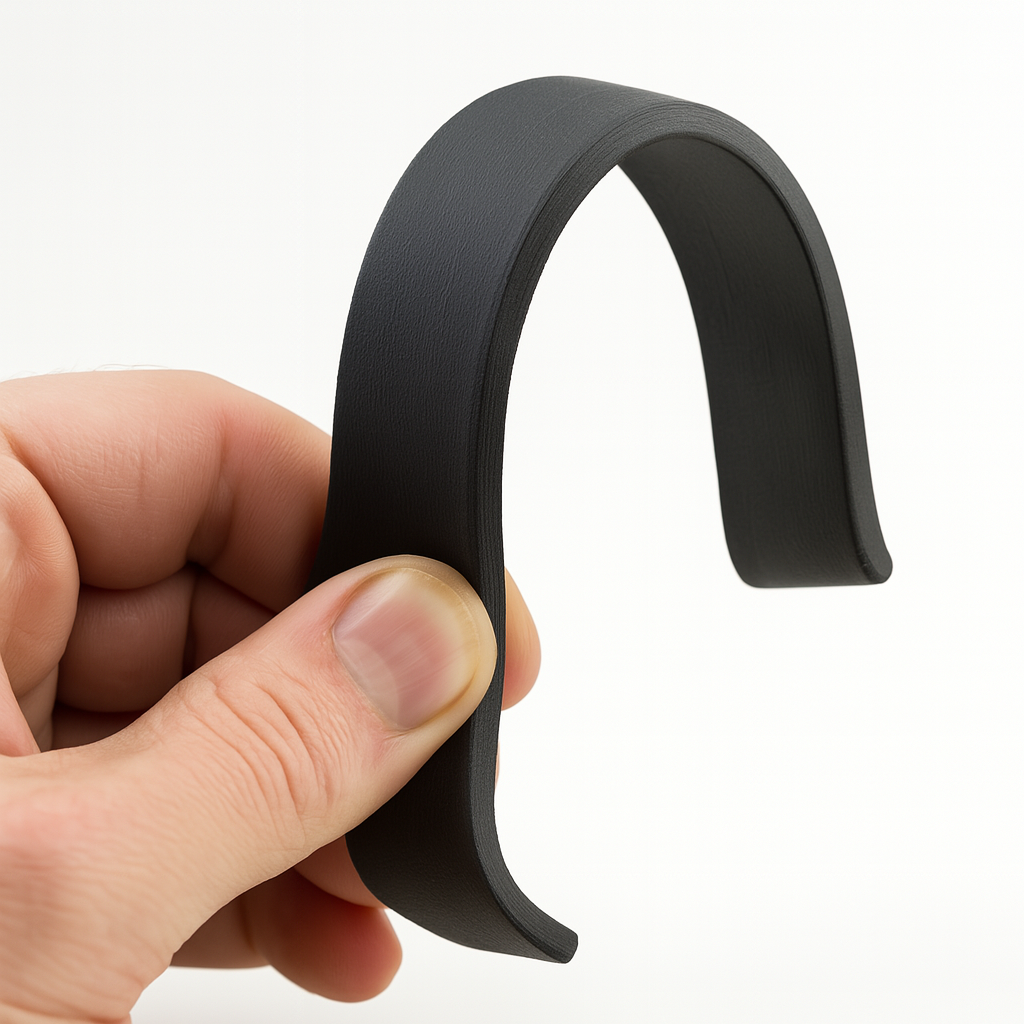
[LETTUCE] RESIN RUBBER-LIKE
Advantages of Resin Rubber-Like are:
-
Very high flexibility and ductility.
-
Suitable for parts that must be deformable such as gaskets, mufflers or grip parts.
-
Soft to the touch with a rubbery texture.
You choose this material when you need flexible, elastic parts that can withstand repeated bending.
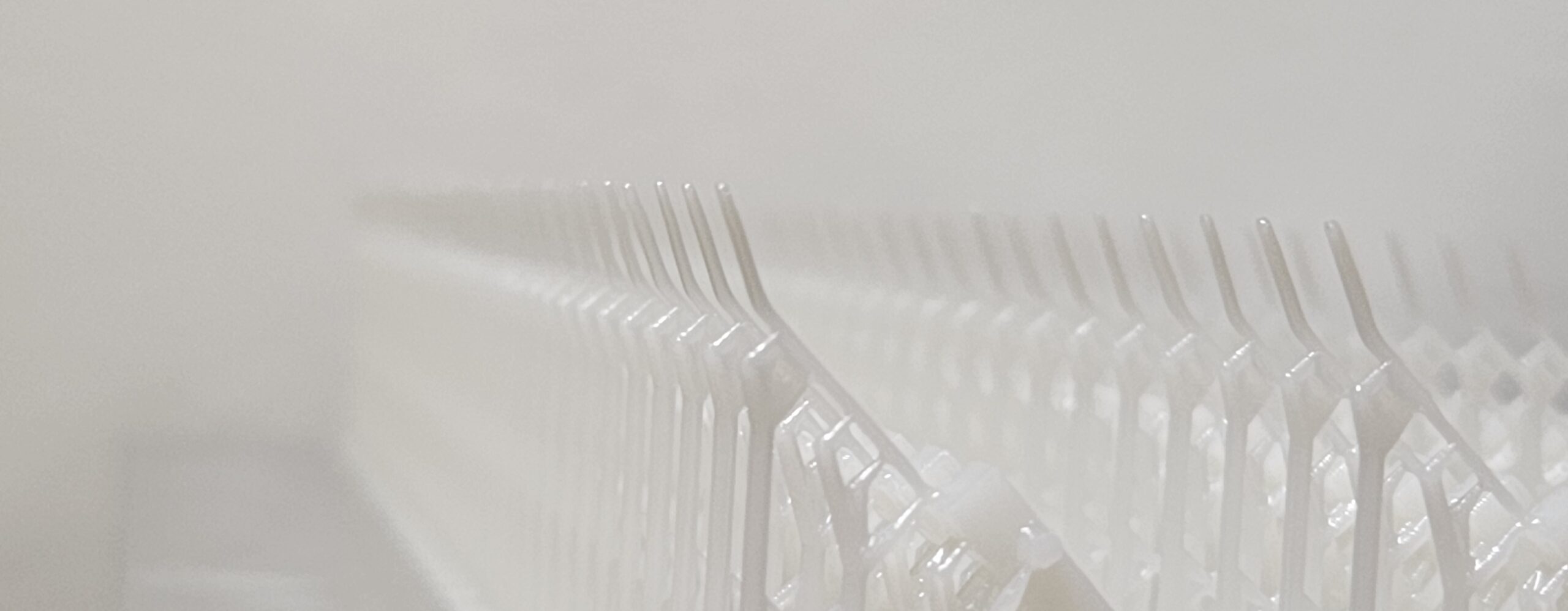
[LETTUCE] RESIN PP-LIKE
Advantages of Resin PP-Like are:
-
Flexible and tough, with properties similar to polypropylene (PP).
-
Good resistance to fatigue and fracture under repeated bending.
-
Low friction and high impact resistance.
You choose this material when you need lightweight, durable parts with some flexibility and chemical resistance.
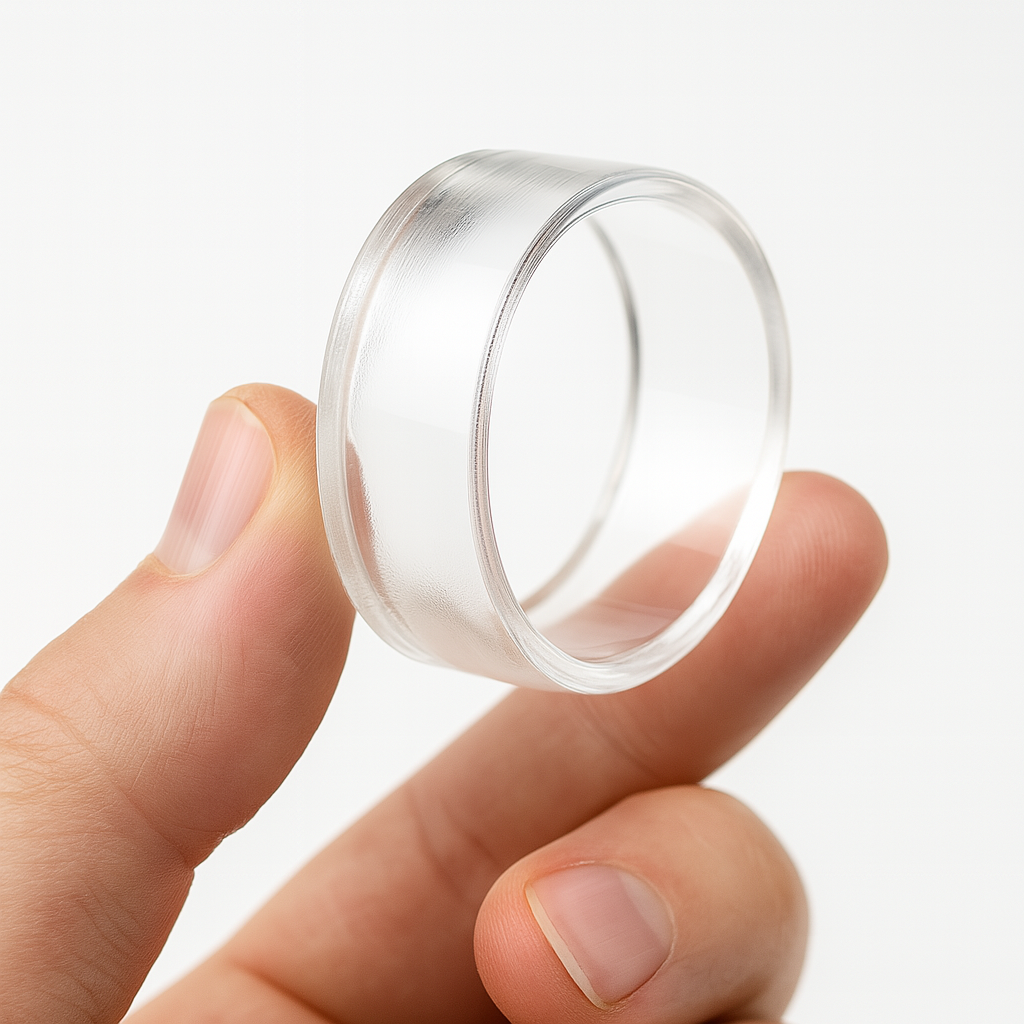
[LETTUCE] RESIN PMMA-LIKE
Advantages of Resin PMMA-Like are:
-
High transparency, similar to acrylic glass (PMMA).
-
Smooth finish and glassy appearance.
-
Suitable for aesthetic applications or light guidance.
You choose this material when you need bright, rigid components with a high-quality visual appearance.
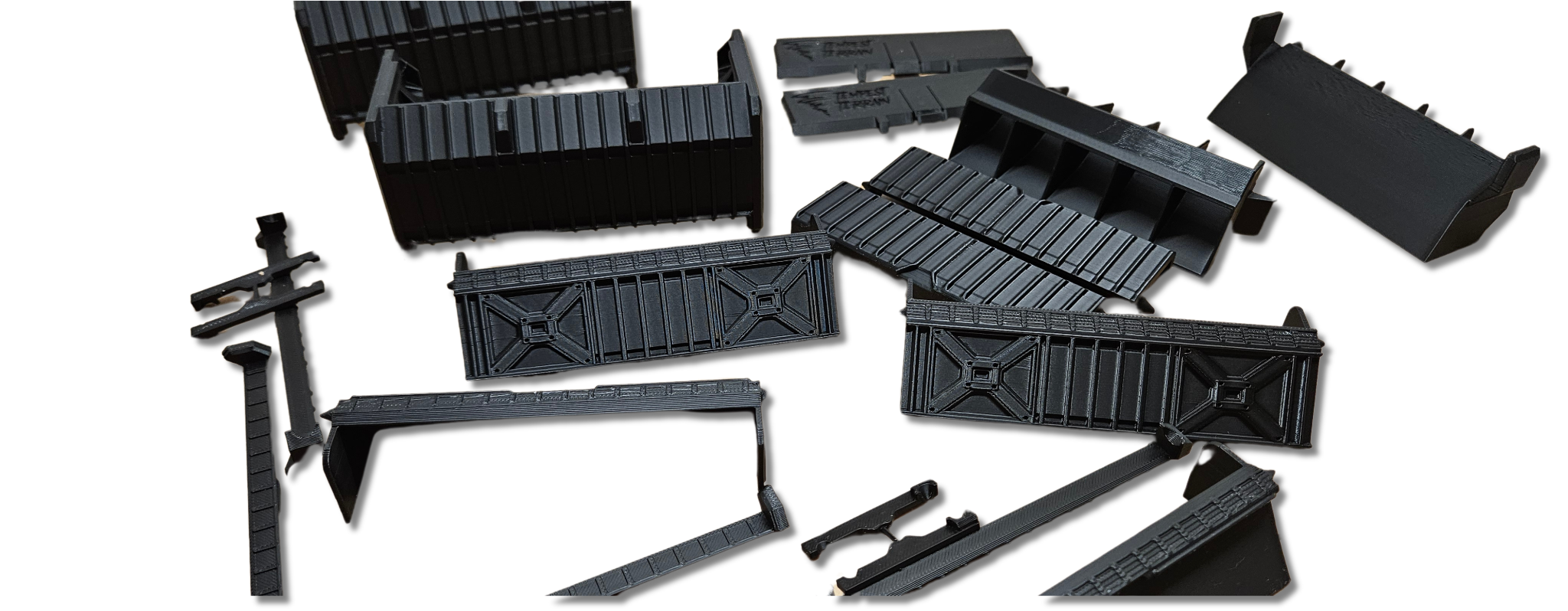
[FDM] PLA PLUS
Advantages of PLA Plus are:
-
One of the most cost-effective materials for 3D printing.
-
Easy to print with neat surface quality.
-
Environmentally friendly alternative based on bioplastic.
You choose this material when you want affordable, rigid prints with good mechanical properties and a neat finish.
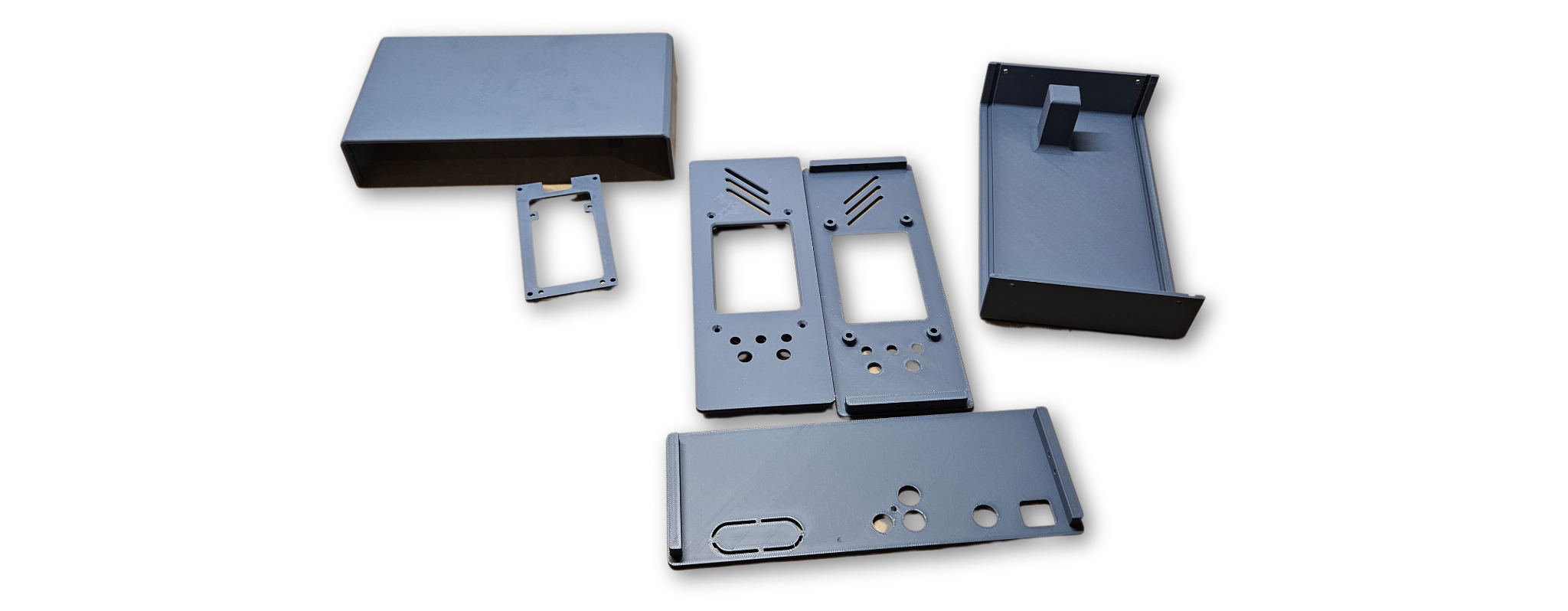
[FDM] ABS
Advantages of ABS are:
-
Strong, impact-resistant and heat-resistant material.
-
Suitable for functional applications and technical parts.
-
Can be easily machined or smoothed with acetone after printing.
You choose this material when you need robust, durable parts that can withstand higher temperatures.
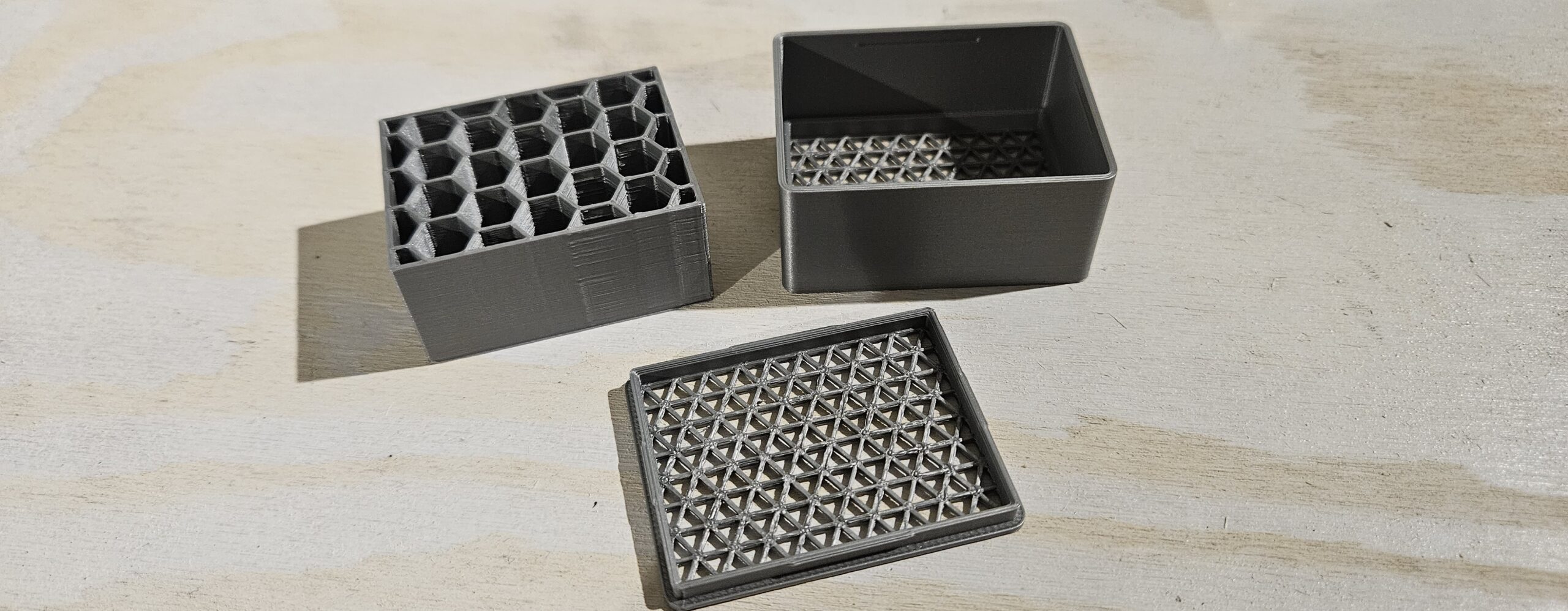
[FDM] ASA
Benefits of ASA are:
-
Excellent UV and weather resistance.
-
Similar strength and heat resistance to ABS.
-
Beautiful matte finish, ideal for outdoor applications.
You choose this material when you need strong, dimensionally stable parts that will be used outdoors for long periods of time.
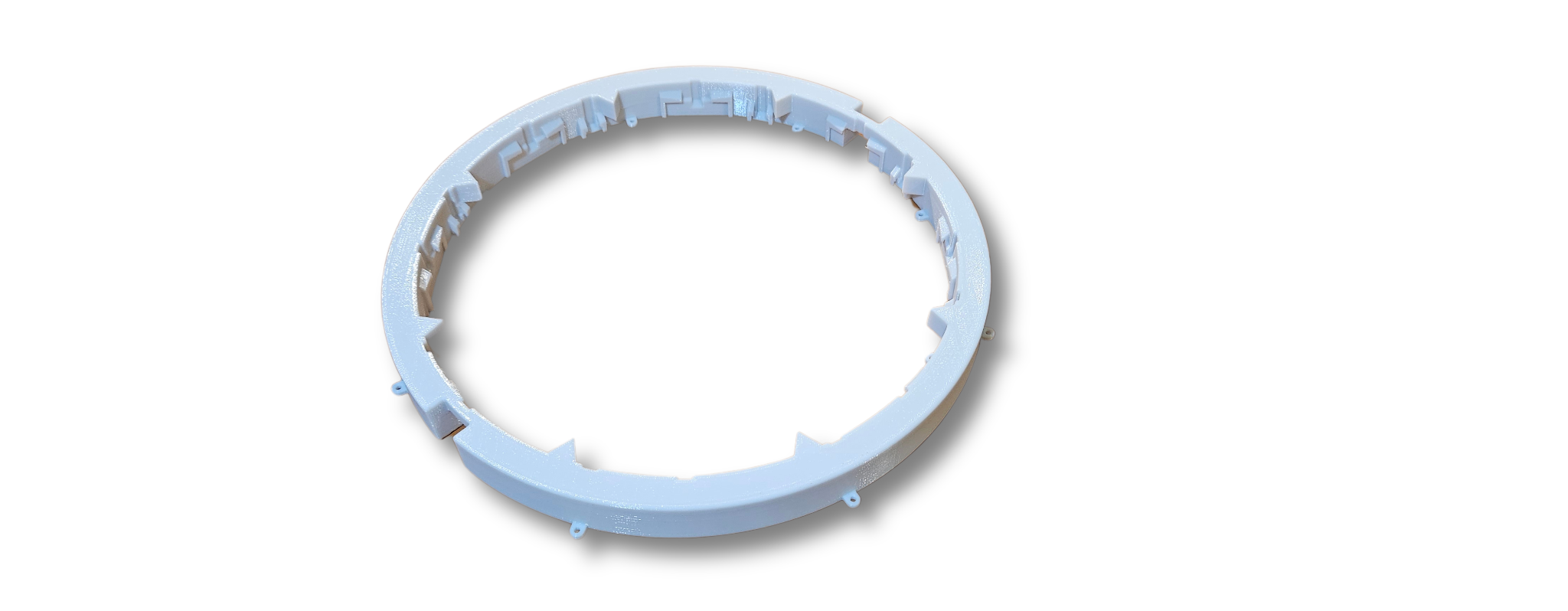
[FDM] PETG
Advantages of PETG are:
-
Good balance of strength, flexibility and chemical resistance.
-
Less brittle than PLA and easier to print than ABS.
-
Slightly glossy finish with strong film adhesion.
You choose this material when you need functional parts that need to be sturdy and somewhat flexible.
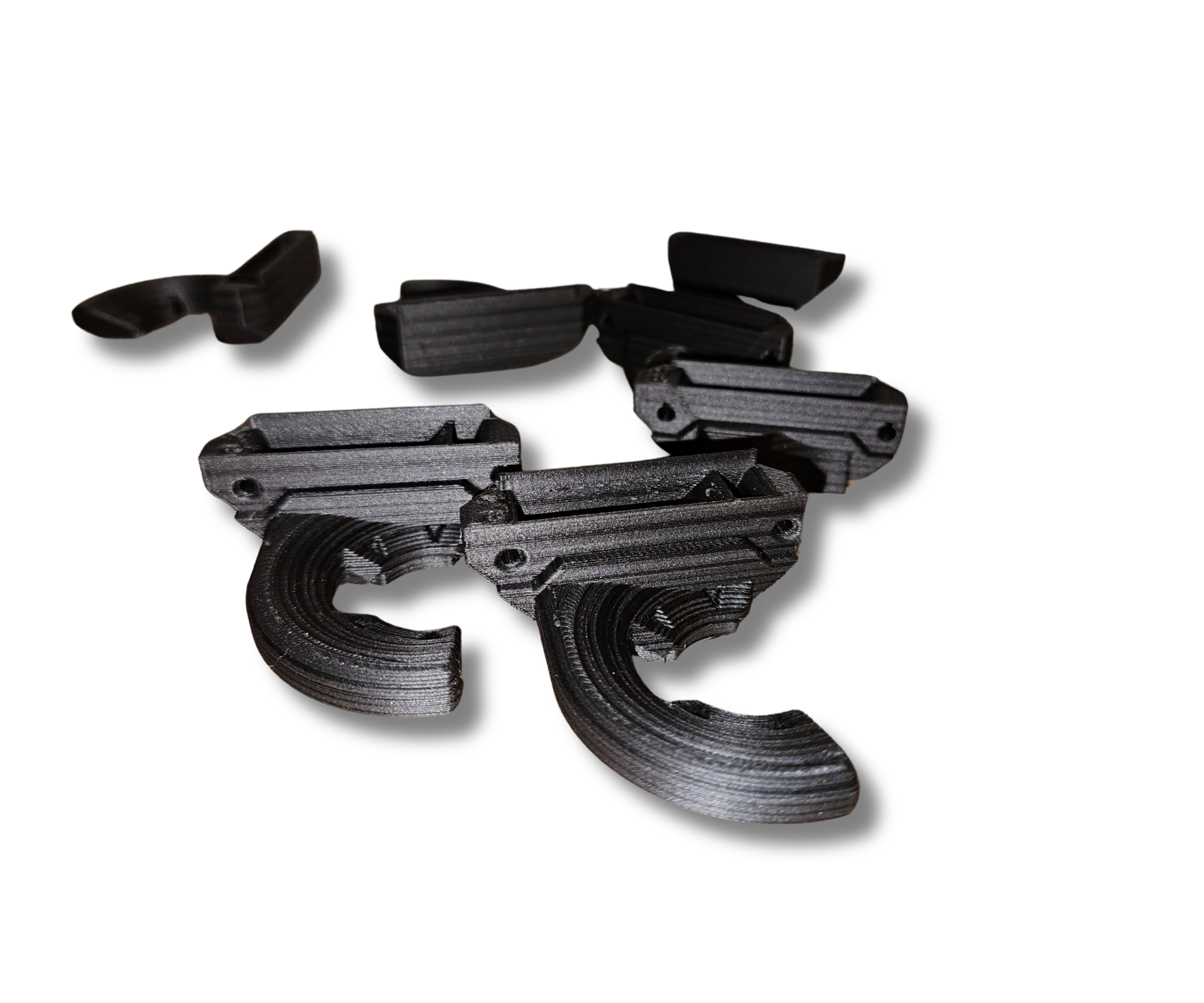
[FDM] PETG CARBON
Advantages of PETG Carbon are:
-
Reinforced with carbon fibers for extra rigidity and strength.
-
Less distortion and shrinkage than standard PETG.
-
Matte finish and professional appearance.
You choose this material when you need rigid, strong parts with high dimensional stability and technical appearance.
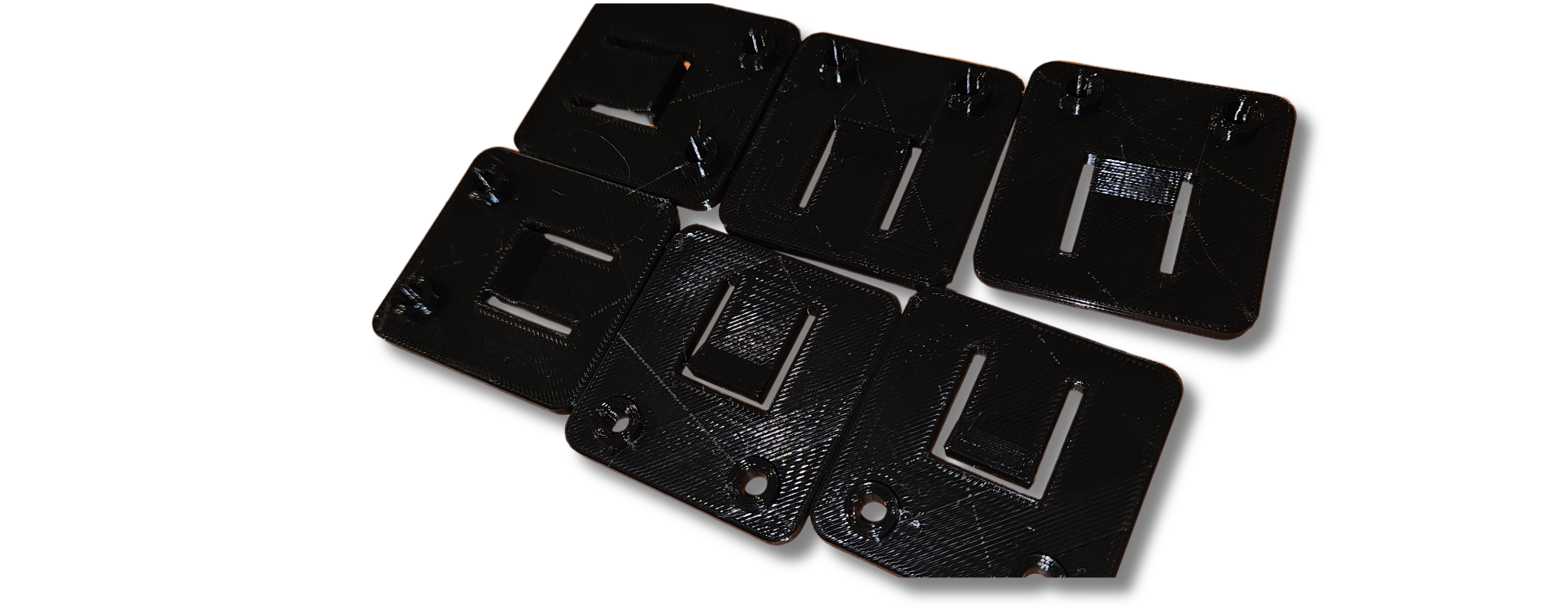
[FDM] TPU
Advantages of TPU are:
-
Flexible, stretchy and abrasion-resistant material.
-
Resistant to oil, grease and abrasion.
-
Suitable for damping or flex parts such as seals, grip parts or protective covers.
You choose this material when you need elastic and durable parts that can withstand heavy use.
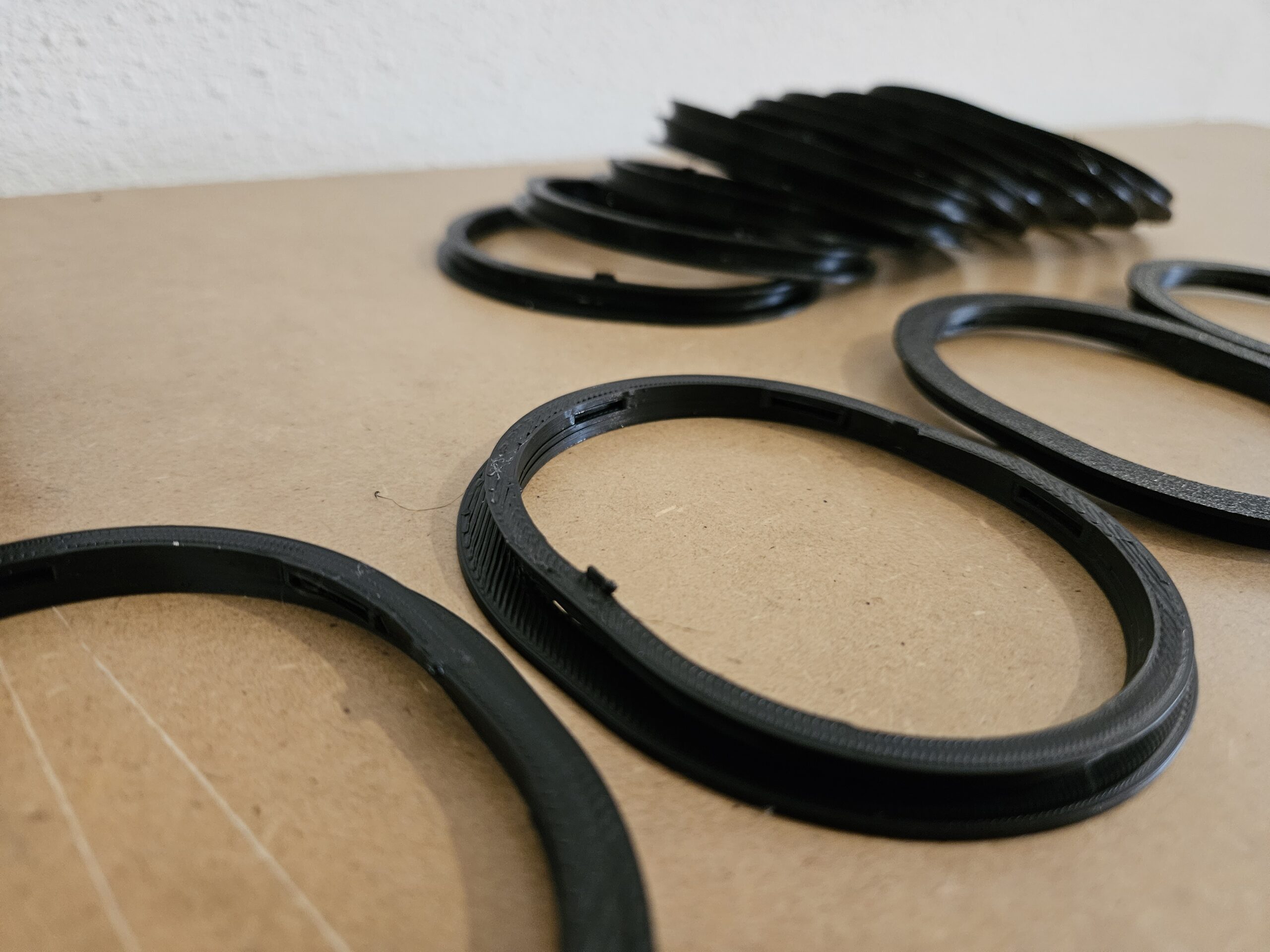
[FDM] TPE
Advantages of TPE are:
-
Highly flexible and elastic material, similar to rubber.
-
Resistant to repeated deformation without cracking.
-
Ideal for applications such as seals, protective caps and flexible joints.
You choose this material when you need flexible, stretchy parts with rubbery properties.
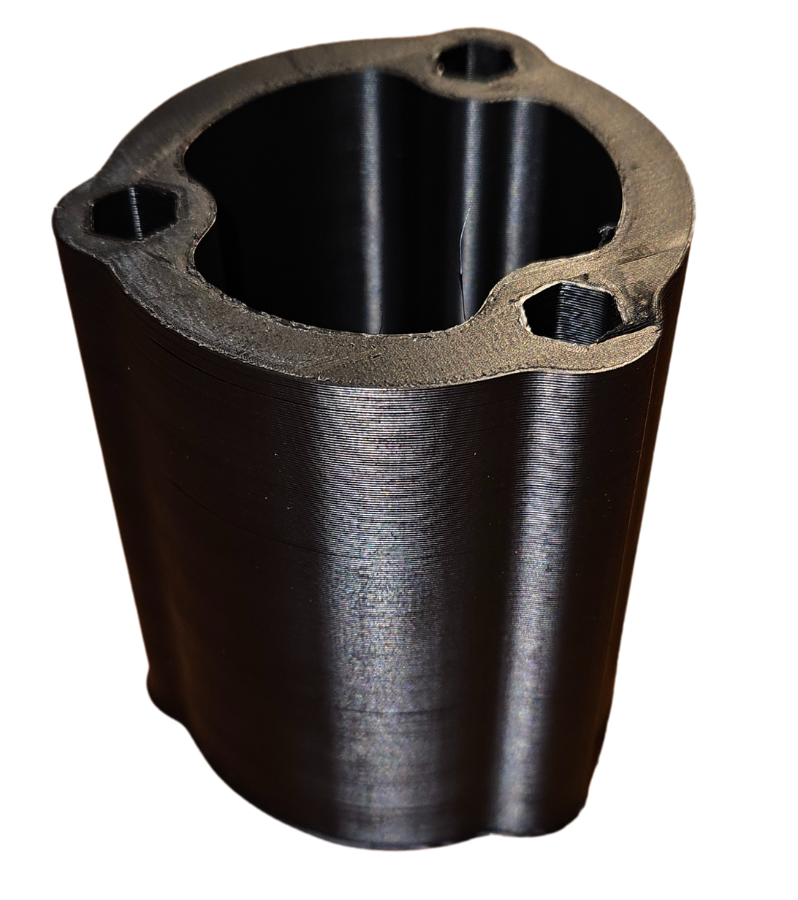
[FDM] PA12 NYLON
Advantages of PA12 Nylon are:
-
Very strong, abrasion and impact resistant.
-
Good chemical resistance and low coefficient of friction.
-
Ideal for engineering applications and moving parts.
You choose this material when you need durable, functional parts that can withstand mechanical and chemical stresses.
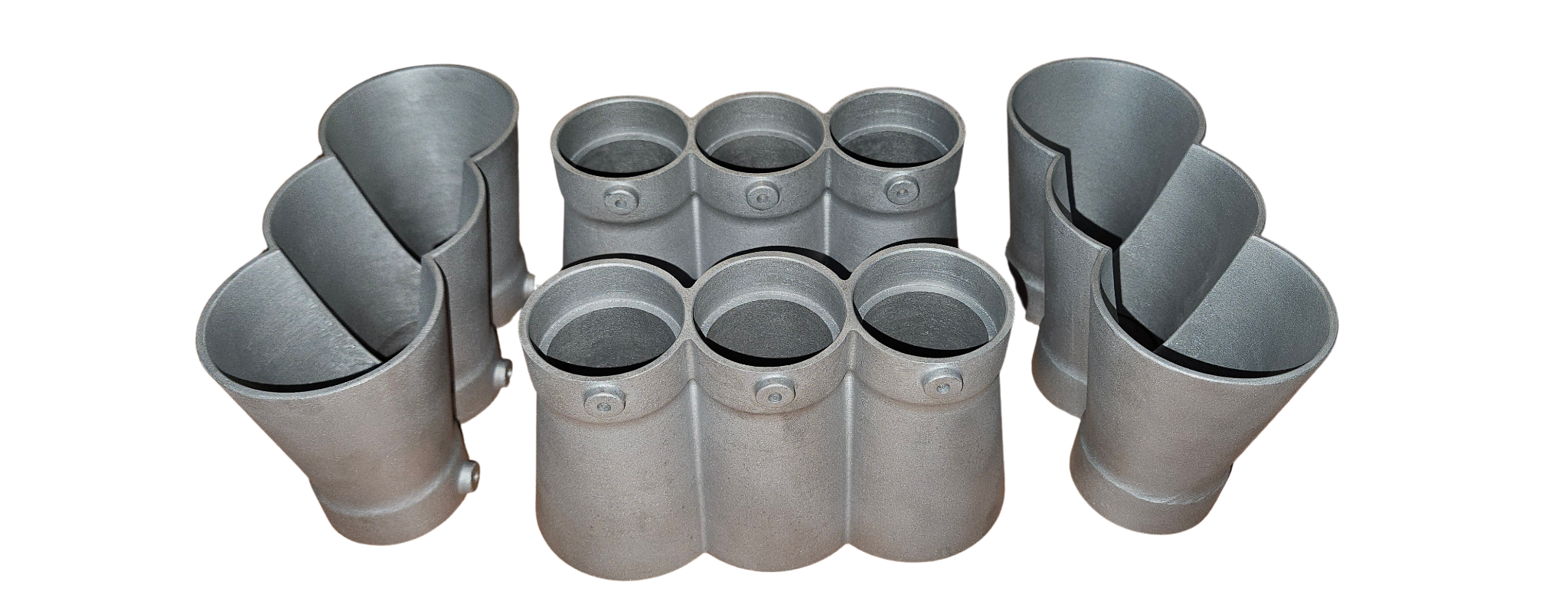
[SLM] STAINLESS STEEL (RVS)316L
Advantages of Stainless Steel are:
-
Very strong, abrasion and corrosion resistant.
-
Suitable for functional and mechanical parts.
-
Excellent for applications in medical, food and industrial sectors.
You choose this material when you need metal parts with high strength, durability and resistance to rust and chemicals.
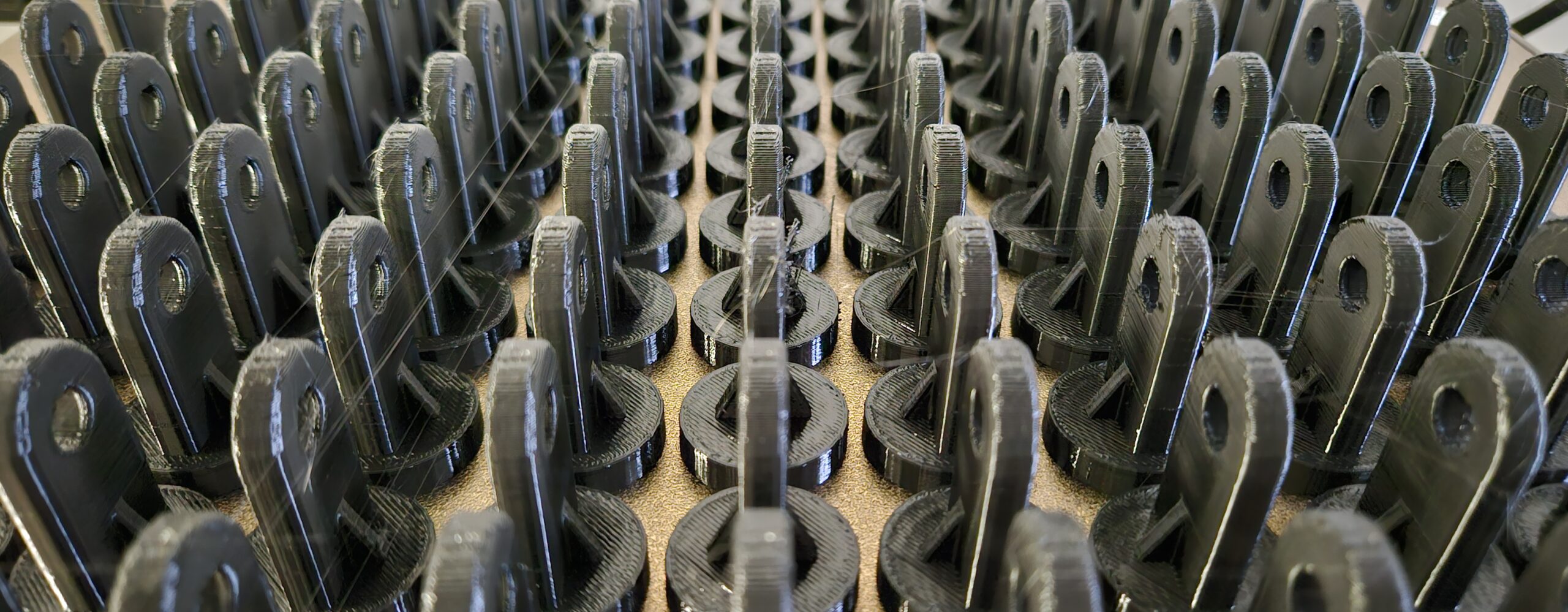
[FDM] PC
Advantages of PC are:
-
Extremely strong, rigid and heat-resistant (up to approx. 110-130 °C).
-
High impact resistance and transparency possible.
-
Suitable for technical applications under heavy loads.
You choose this material when you need parts that can withstand high temperatures, impact and structural loads.
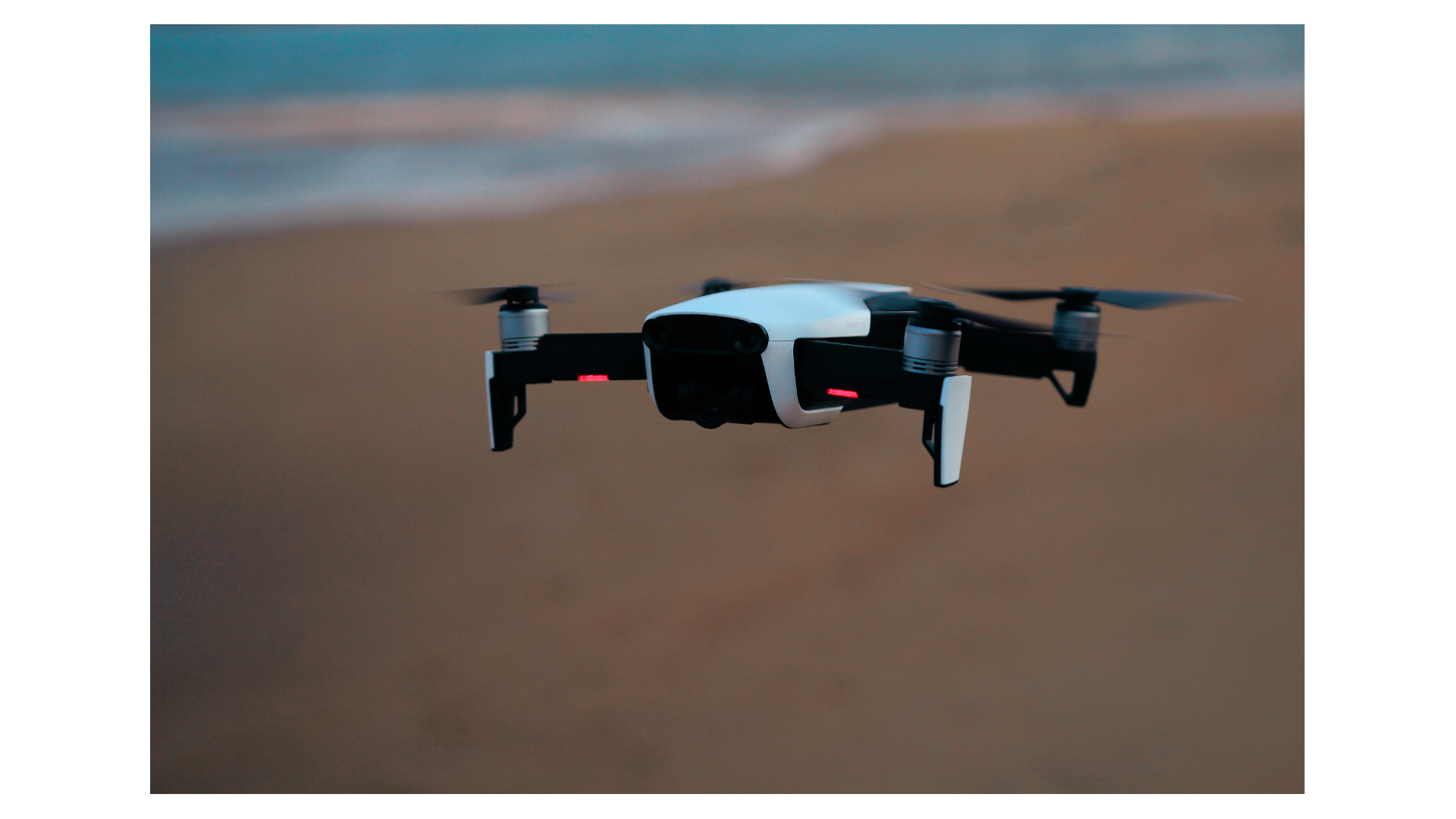
Advantages of LW are:
-
Expandability during printing provides light, bulky parts.
-
Ideal for applications where weight is crucial, such as drones or model making.
-
Reduced material use without loss of form.
You choose this material when you want to print ultralight parts with a good volume-to-weight ratio.
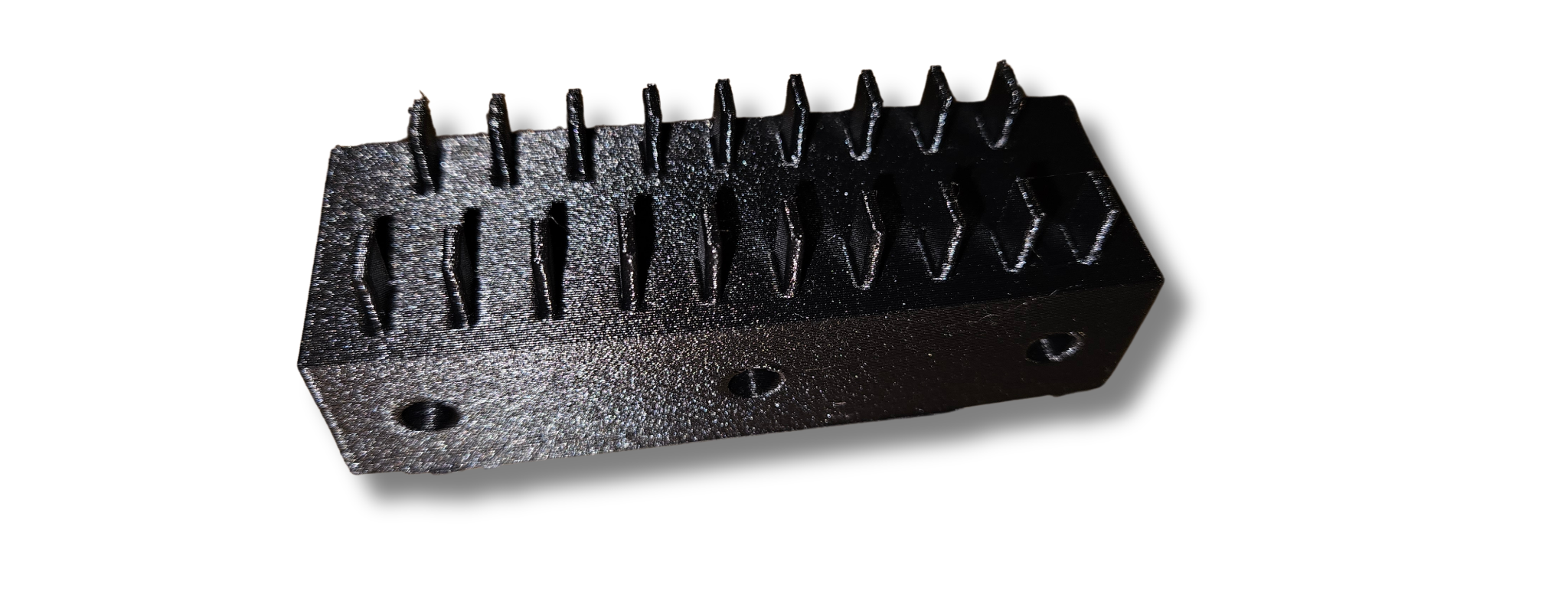
[FDM] PA-CF (NYLON + CARBON)
Advantages of PA-CF are:
-
Very high stiffness and strength due to the addition of carbon fibers.
-
Resistant to high mechanical stress and wear.
-
Ideal for engineering parts with dimensional stability and structural performance.
You choose this material when you need lightweight but extremely strong parts for demanding industrial applications.
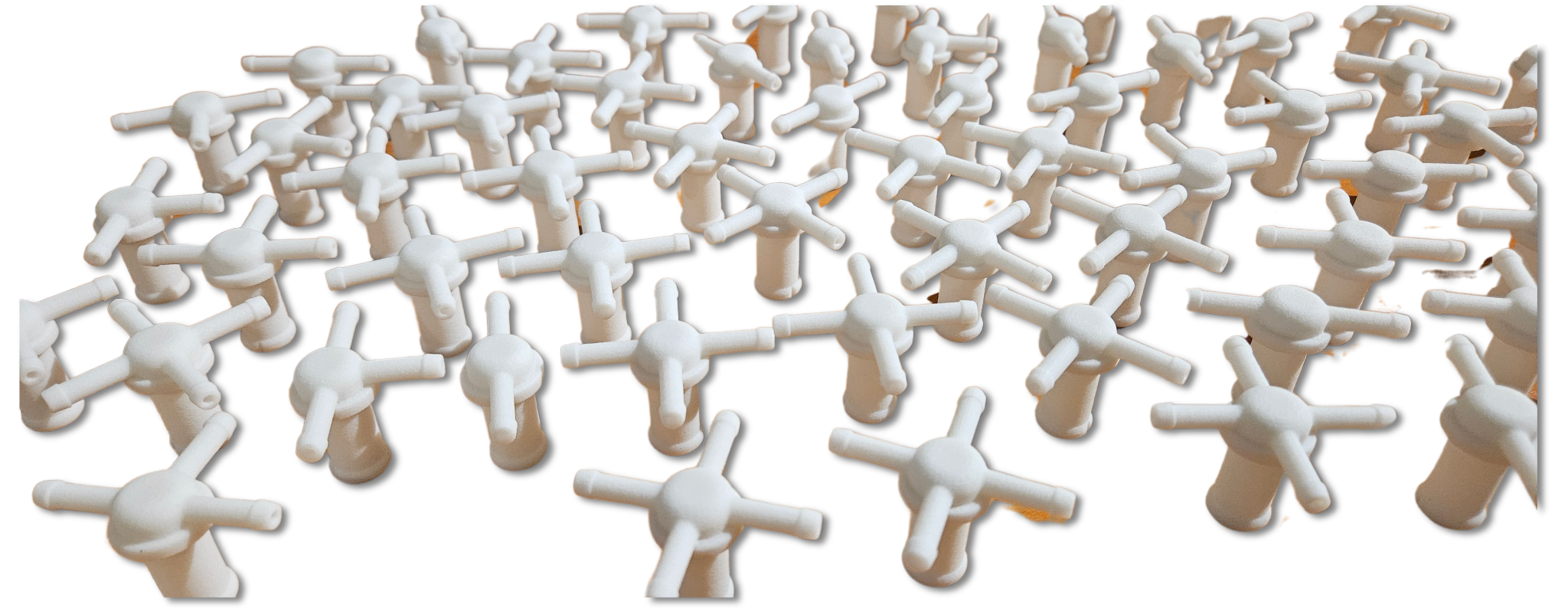
[SLS] PA12 NYLON
Advantages of PA12 Nylon are:
-
Strong, wear-resistant and resistant to impact and fatigue.
-
Excellent dimensional stability and detail reproduction without support material.
-
Slightly porous, sandy surface texture typical of SLS printing technology.
You choose this material when you need durable and ready-to-use parts with industrial quality.
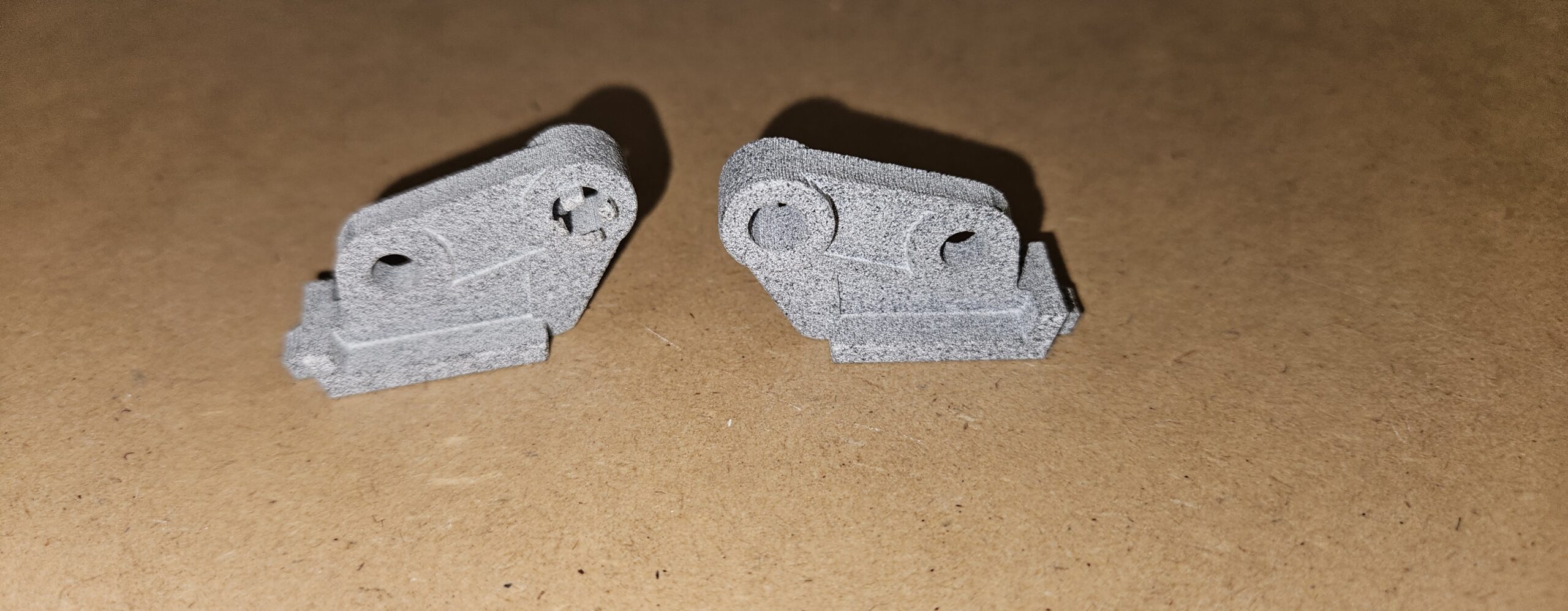
[MJF] PA12 NYLON
Advantages of PA12 Nylon are:
-
Very strong, hard-wearing and resistant to impact and mechanical stress.
-
Tighter details and finer surface than SLS, with a slightly grainy finish.
-
Excellent dimensional stability and suitable for functional end parts.
You choose this material when you need strong, precise and aesthetically pleasing parts for professional or industrial use.
[FDM] PPGF30
Benefits of PPGF30 are:
-
Reinforced with 30% fiberglass for high rigidity and strength.
-
Excellent chemical resistance and low moisture absorption.
-
Lightweight material with good dimensional stability.
You choose this material when you need rigid, wear-resistant parts that can withstand chemical influences and deformation.

[FDM] GREENTEC PRO
Benefits of GreenTEC Pro are:
-
Environmentally friendly biopolymer, 100% industrially biodegradable.
-
High strength, heat resistant to approx. 160 °C and odorless during printing.
-
Ideal for durable applications without compromise on performance.
You choose this material when you want to print strong, high-quality parts with minimal ecological impact.
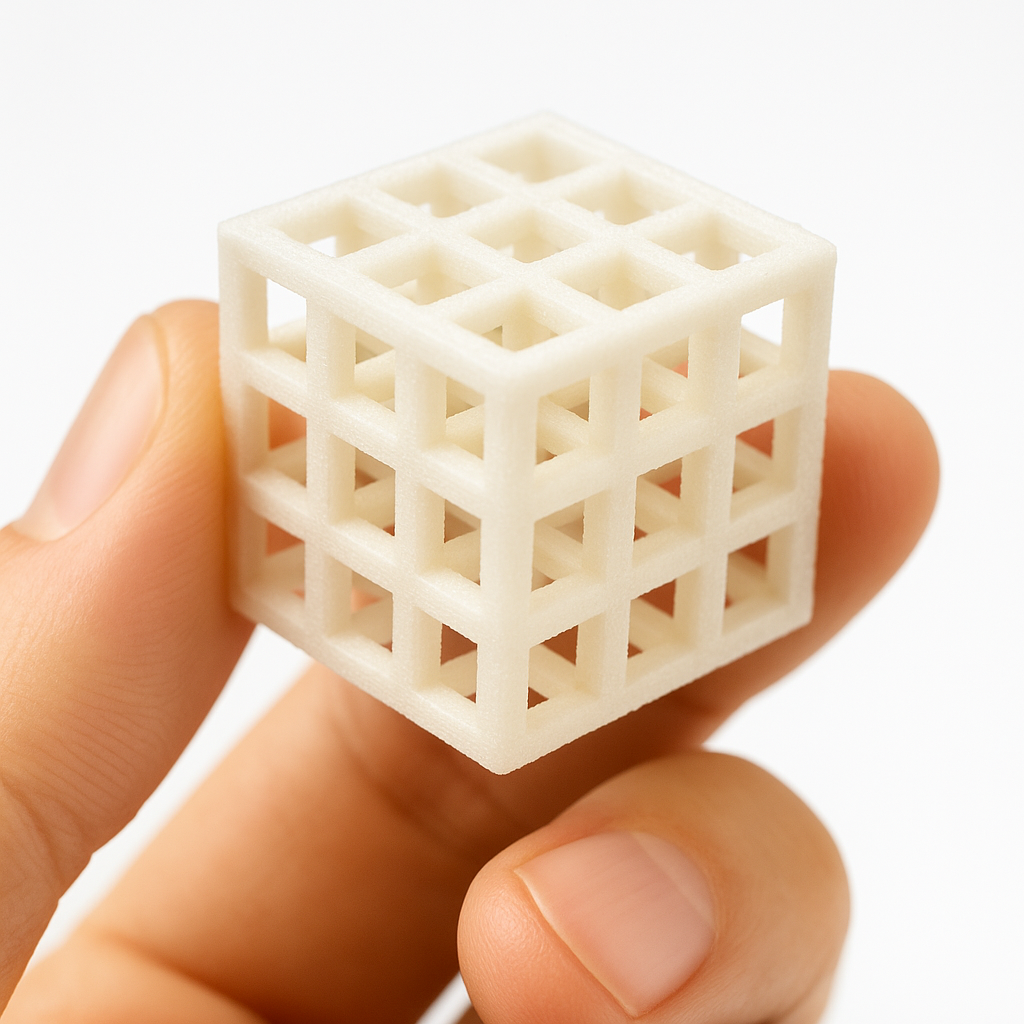
[FDM] ALLPHA
Benefits of ALLPHA are:
-
100% biobased and fully biodegradable under all conditions.
-
Free of fossil resources and microplastics.
-
Good print quality with a natural matte appearance.
You choose this material when you want maximum durability without environmental compromises, from production to degradation.
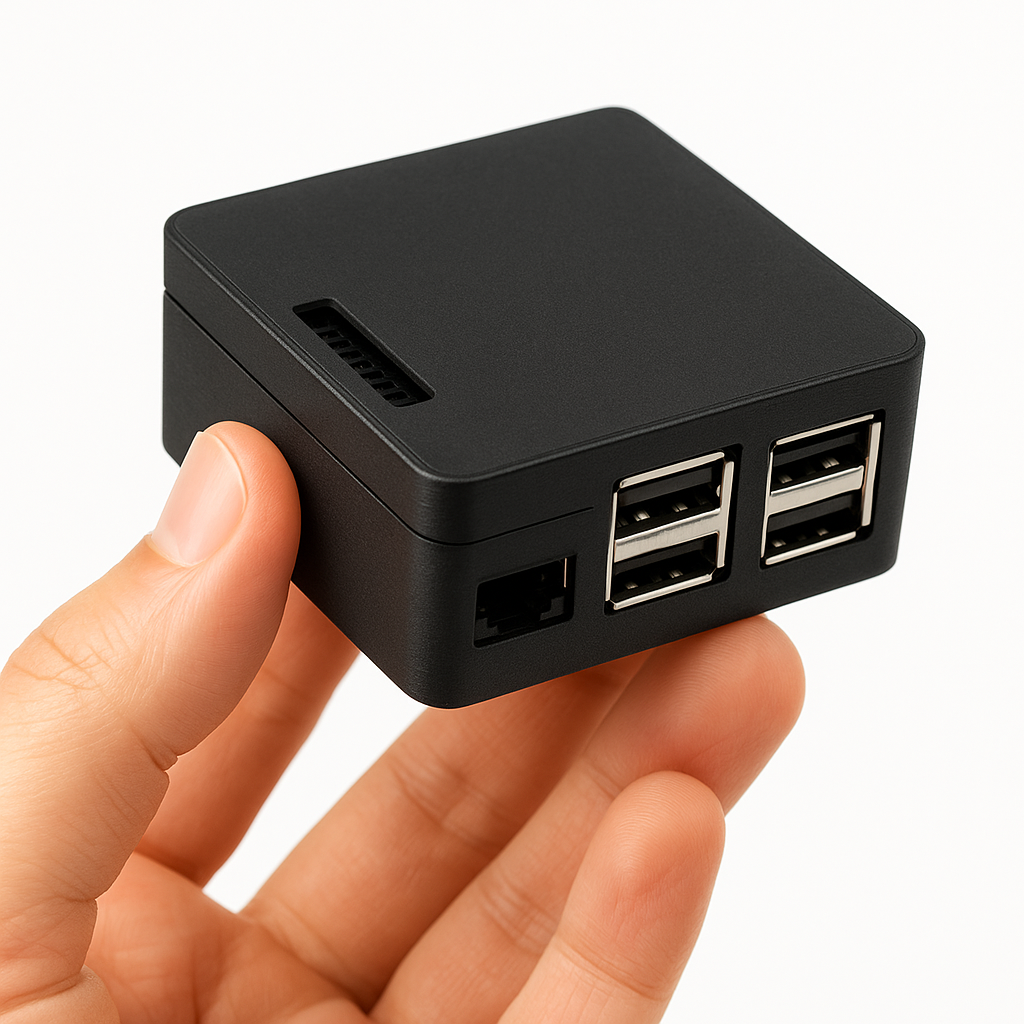
[FDM] PETG-ESD
Advantages of PETG-ESD are:
-
Prevents electrostatic discharge (ESD), ideal for electronic applications.
-
Good chemical resistance and mechanical strength.
-
Combines excellent printability with durable, reliable performance.
You choose this material when you need functional parts that are statically safe, such as for enclosures of electronics or circuit boards.
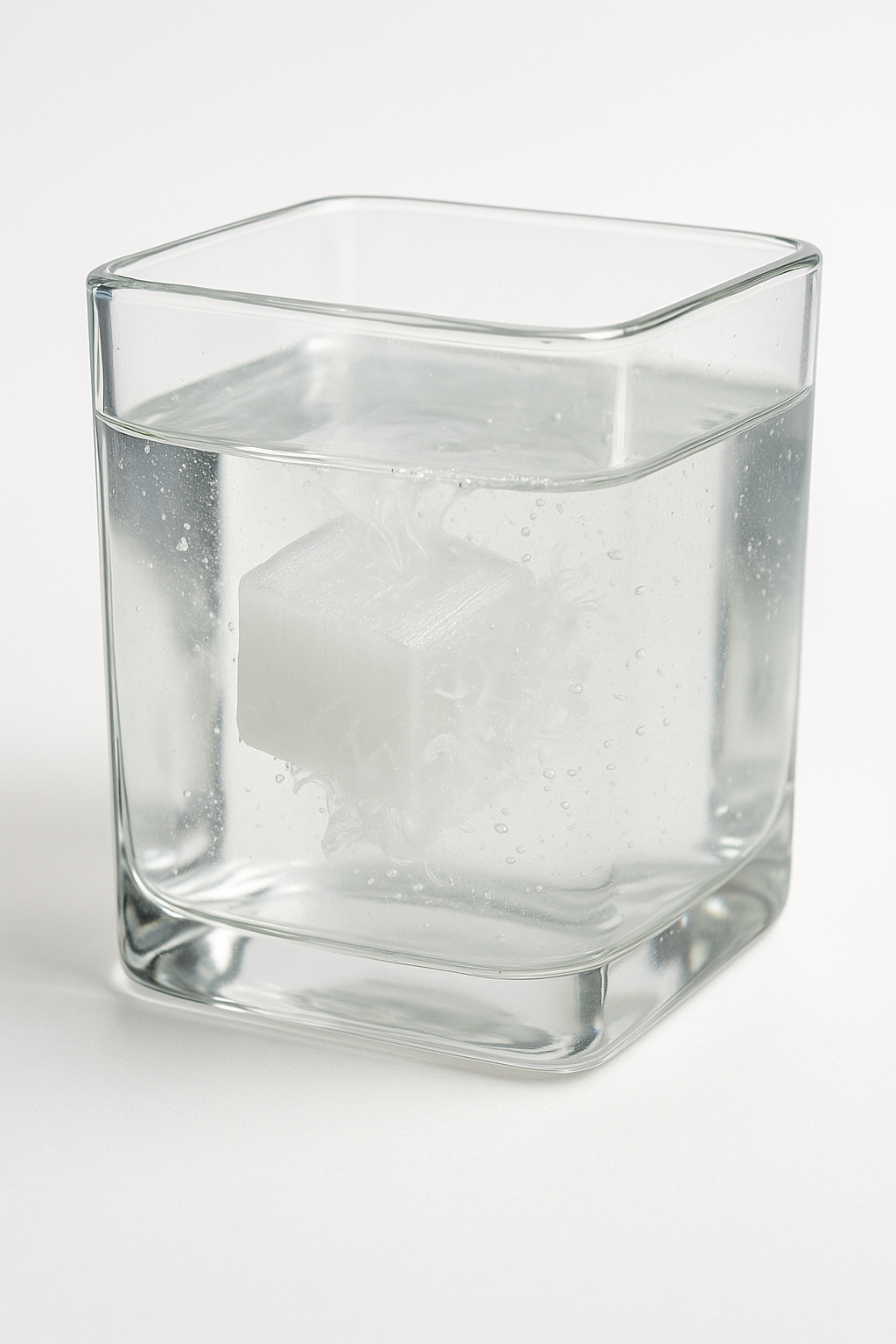
[FDM] PVA
Advantages of PVA are:
-
Fully soluble in water for rapid disassembly or producing temporarily deployable parts.
-
Accurate prints with excellent layer adhesion and minimal distortion.
-
Non-toxic and leaves no harmful residue after dissolving.
You choose this material when you need parts that can be removed very easily and quickly in water after use, for example, temporary fixings, quick prototypes or emergency repairs.




